Operators in the Nigerian manufacturing sector have stressed the need for the federal government to develop a coherent and comprehensive industrial policy to address challenges constraining the real sector and to drive competitiveness in the sector.
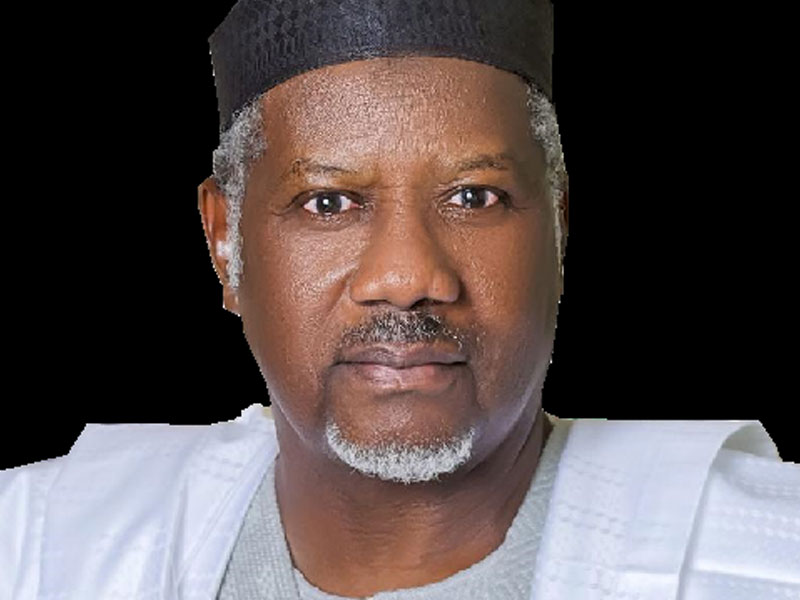
President of the Manufacturers Association of Nigeria (MAN), Mr. Mansur Ahmed, at a media briefing on the activities of the association yesterday in Lagos, said the seriousness with which the manufacturers viewed the need for a strong industrial policy for Nigeria, especially in the face of the African Continental Free Trade Area (AfCFTA) agreement, was underscored by the fact that the association had written the newly-appointed Minister of Industry, Trade and Investment, Mr. Adeniyi Adebayo, to draw his attention to some issues that have to be addressed during his tenure.
He said: “First of all, one of the things we have asked for is that there must be a comprehensive industrialisation policy. Fortunately, the minister himself recognises this need and we are hopefully going to work with the minister to rejig the industrial policy and make sure that we have a coherent comprehensive industrial policy.”
The new comprehensive policy, according to Ahmed, must recognise “the need to continue with our backward integration to strengthen various linkages in the value chains and the need to link particularly the SMEs with the large industrial manufacturing concerns in the country. Also, there is the need to link the sub-sectors, particularly the agricultural sector with the manufacturing sector.
“Also, there is need to work on some of the constraints that have made manufacturing uncompetitive in Nigeria, such as infrastructure, especially electricity. We are quite certain that if power supply is improved then the competitiveness of our industries will increase quite substantially.
“Same also with the transport infrastructure- we are working with relevant government agencies to ensure the unblocking of the Apapa Ports.
“As we go into the AfCFTA, we must make sure that our ports are competitive. We will take up all these issues with the new minister and work with the ministry to ensure that these issues are addressed and the ease of doing business, which is a core initiative, is also scaled up tremendously.”
Ahmed also spoke about the total closure of Nigeria’s land borders, the Common External Tariffs (CET), challenges facing the small and medium scale enterprises (SMEs), domestic consumption of made-in-Nigeria goods and the recently proposed exclusion of importation of food items from the Central Bank of Nigeria (CBN).
“We have asked the government to be clearer in what it meant by food products. Some imports are inputs needed to produce finished goods and we need more time as the backward integration and value addition for domestic substitution cannot happen overnight,” he added.
He also said government’s intention to close the border was in order, adding that it was to arrest the inflow of weaponry through the borders.
“However, we must be aware of the impact it is having on legitimate exports and imports trade, especially of food products. We must make sure that this necessary action that was taken to improve on our security does not undermine the capacity of the country’s manufacturing sector and therefore end up improving the prices of food in the market,” he said.
According to him, Nigeria is about re-negotiating CET to resolve all grey areas and align the regional policy with the continental policy as it transits into the era of African continental free trade.
He said the demand for a comprehensive industrial policy was in tandem with the theme of the forthcoming 47th annual general meeting of MAN, which is: “Improving Value Chain in the Manufacturing Sector for Competitiveness and Job Creation.”
This, he said, was borne out of the need to highlight the significance of improved manufacturing value chain linkages in the efforts to make the sector competitive; contribute more to the Gross Domestic Product (GDP) and create jobs in Nigeria.