


The prospect of U.S.-Japan alliance seems high
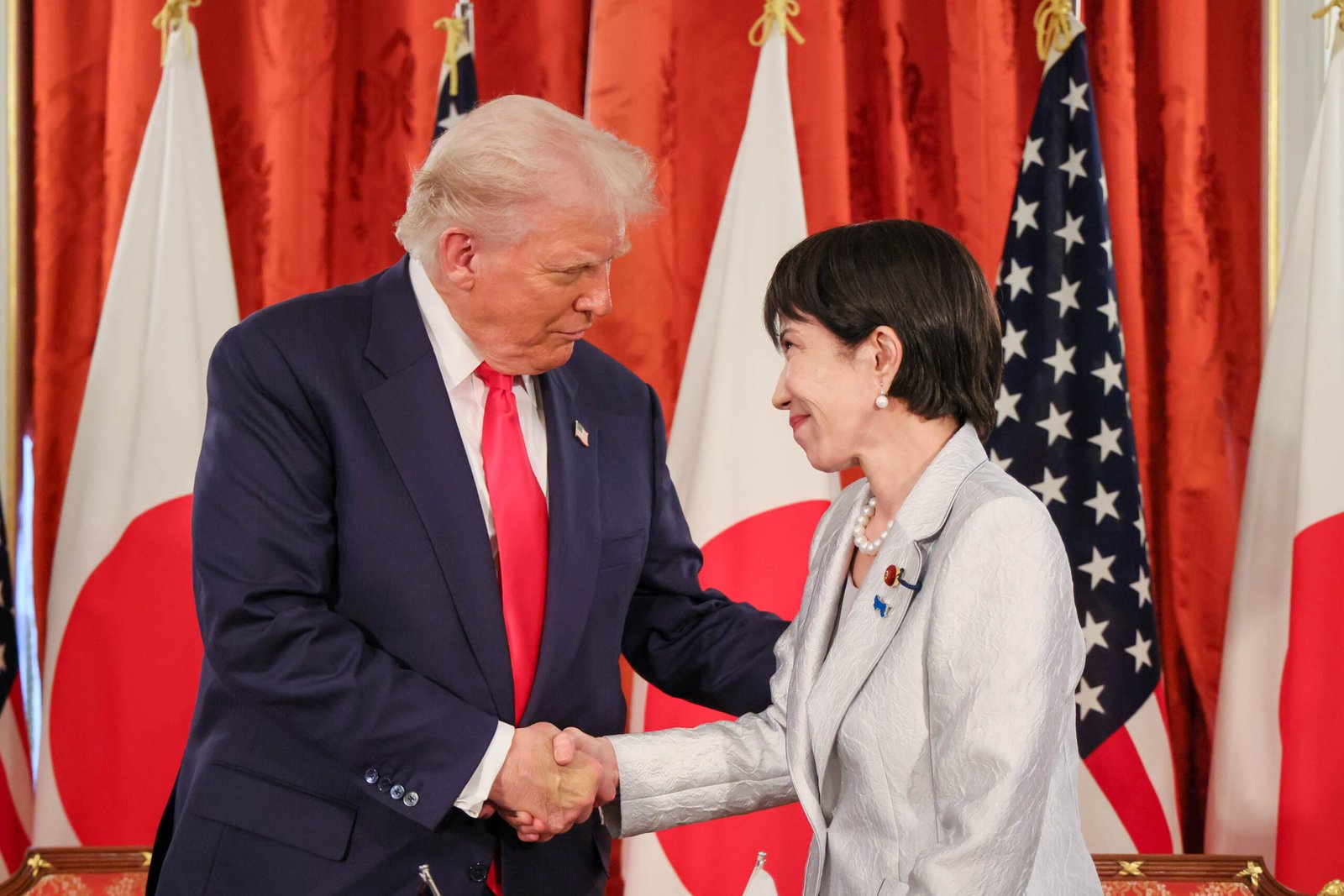
Prospects are emerging that the U.S.-Japan alliance will once again make a leap forward following the Liberal Democratic Party’s landslide victory in the House of Representatives election led by Japanese Prime Minister Sanae Takaichi. After Prime Minister Takaichi confirmed the LDP’s majority in the House of Representatives, her first action was a public “expression of gratitude” directed at U.S. President Donald Trump.
Takaichi posted on X, formerly Twitter, around 12:30 a.m. on the 9th, stating, “I sincerely thank President Trump for his warm words of encouragement on the 5th,” and “I look forward to visiting the White House this spring to further strengthen the U.S.-Japan alliance.” She added, “Let us work together to ensure the U.S.-Japan alliance brings peace and prosperity,” attaching a message Trump had previously posted on his SNS platform Truth Social, where he unusually expressed support for her.
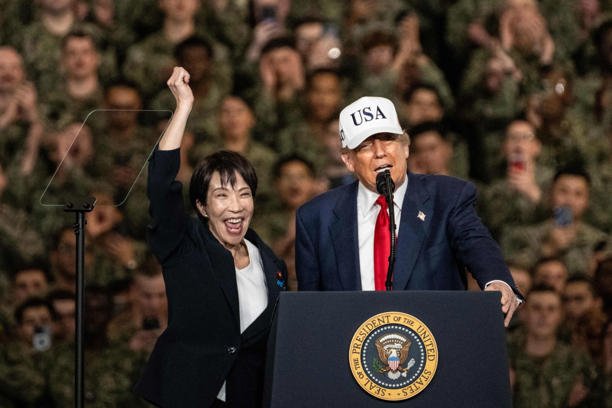
Trump then evaluated the LDP’s victory as a “historic win” via Truth Social, stating, “It was my honor to officially declare support for Prime Minister Takaichi and his coalition government.” He continued, “I wish great success in legislating conservative values and the agenda of ‘peace through strength,’” and “the excellent Japanese people who voted with such enthusiasm will always have my strong support.” U.S. Treasury Secretary Scott Bessent also commented in a Fox News interview, “If Japan is strong, the U.S. also becomes strong in Asia,” and “Prime Minister Takaichi is an excellent ally and has a very good relationship with President Trump.”
These developments recall the close “Trump–Shinzo Abe” relationship formed during Trump’s first term. At the time, Trump collaborated with then-Prime Minister Abe to modernize the U.S.-Japan alliance. Trump fully embraced Abe’s vision for a “Free and Open Indo-Pacific Strategy,” leading to the launch of the QUAD involving the U.S., Japan, Australia, and India. The U.S. Pacific Command was renamed the Indo-Pacific Command in 2018, 71 years after its establishment.
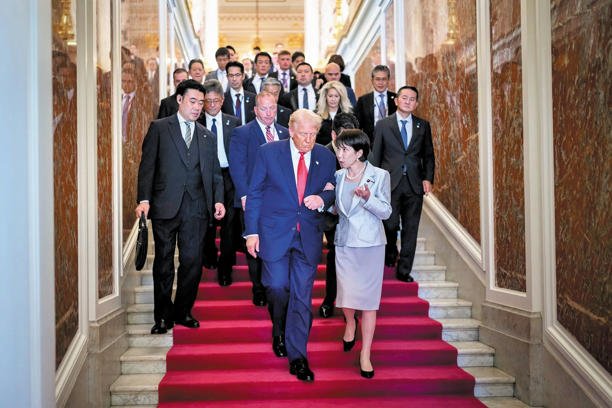
Both nations expanded their alliance beyond Earth by establishing space forces around the same period. Immediately after Emperor Naruhito’s accession in May 2019, Trump visited Japan as a state guest and referred to the U.S.-Japan alliance as a “treasure.” Trump not only played golf with Abe but also awarded a specially made trophy from the U.S. to the winner of a sumo tournament. Based on this rapport, Abe significantly influenced Trump’s policies toward South Korea and North Korea.
The Trump–Takaichi relationship, comparable to the Trump–Abe partnership, is drawing attention for its speed and depth amid escalating U.S.-China strategic competition and deepening Japan-China conflicts over the “Taiwan contingency” issue. The two countries are elevating their cooperation by designating China as a common adversary.
The two leaders held their first summit in Tokyo last October and created a symbolic scene by boarding the U.S. presidential helicopter “Marine One” together to travel to the Yokosuka Naval Base. Following Trump’s statement in Tokyo that “We are the strongest alliance, and we will do anything to help Japan,” Takaichi declared aboard the USS George Washington, “We will elevate the U.S.-Japan alliance, the greatest alliance in the world, to the next level.”
Credit: Lee Ha-won, msn.com